
Why Stainless Steel Cookware is Safer than Aluminum?

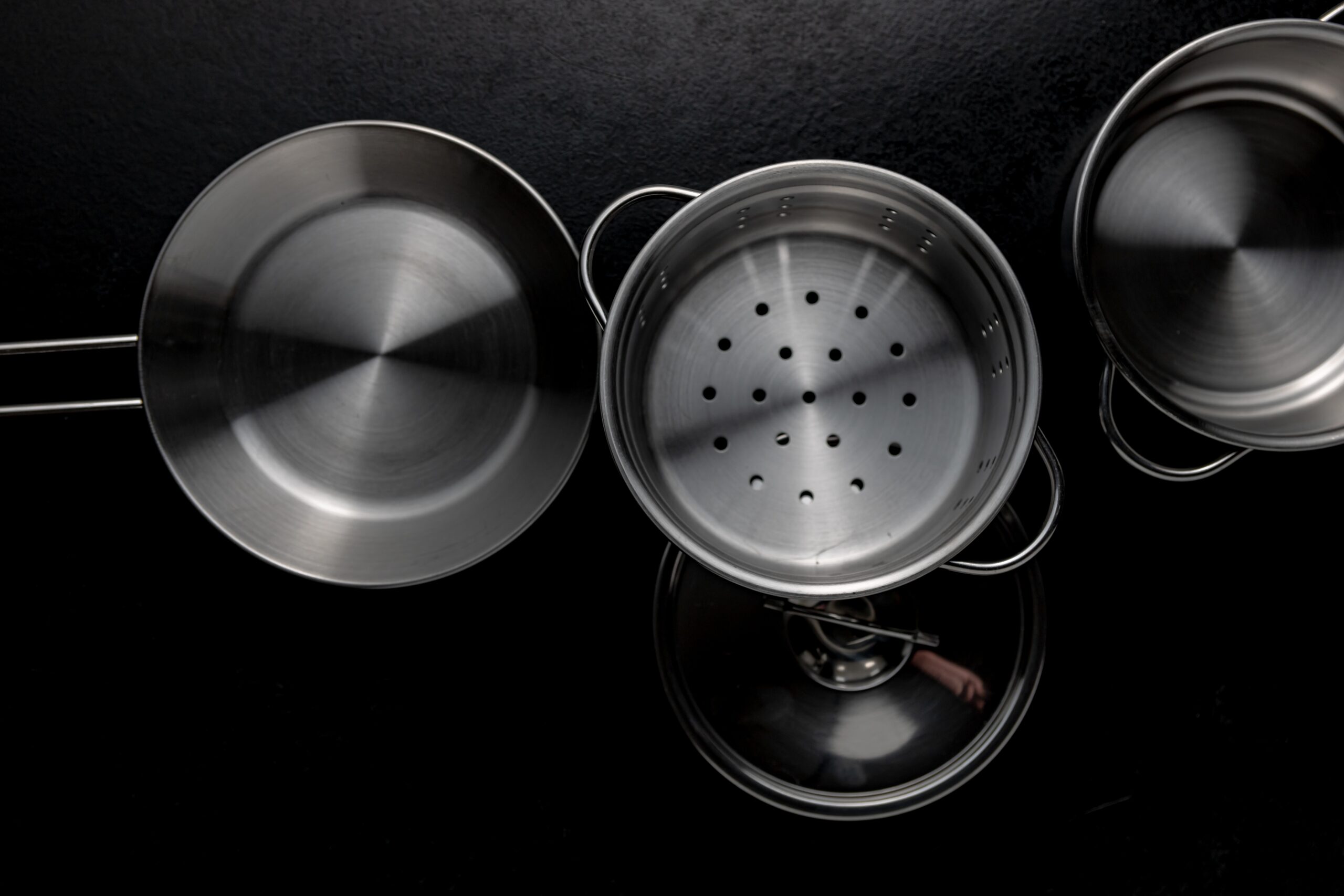
Choosing the right cookware is one of the most important decisions for any kitchen. After all, the pots and pans you use every day directly impact your health, cooking experience, and even the flavor of your food. In Indian households, the two most common types of cookware are aluminum and stainless steel.
While aluminum is often praised for being lightweight and budget-friendly, stainless steel stands out as the healthier, safer, and more durable choice. In this blog, we’ll dive deep into the differences between the two materials and explain why Aphley Stainless Steel Cookware is the ultimate solution for modern Indian kitchens.
The Importance of Safe Cookware
Cooking isn’t just about preparing food—it’s about nourishing your family with healthy meals. The wrong cookware can leach harmful metals, alter the taste of your dishes, and even pose long-term health risks. With increasing awareness about food safety, many households are now questioning: Is aluminum safe for cooking? Should I switch to stainless steel?
The answer is clear—stainless steel is the better, safer option. Let’s explore why.
1. Stainless Steel is Non-Reactive, Aluminum is Not
One of the biggest drawbacks of aluminum cookware is its reactivity. When aluminum comes into contact with acidic foods like tomatoes, tamarind, or vinegar—commonly used in Indian cooking—it can leach into your food.
- Example: Cooking tomato-based curries or rasam in an aluminum vessel can result in metallic-tasting food.
- Over time, continuous exposure to aluminum in food has been linked with potential health issues such as neurodegenerative diseases.
On the other hand, stainless steel is completely non-reactive. You can cook curries, soups, and gravies without worrying about chemical reactions. This makes it the safest choice for daily cooking.
2. Health Implications: Why Stainless Steel Wins
- Aluminum Concerns:
Research suggests that frequent consumption of food cooked in untreated aluminum vessels may increase aluminum levels in the body. While the occasional use may not be harmful, long-term exposure could be risky. - Stainless Steel Advantage:
Stainless steel is food-grade, non-toxic, and safe for all cooking styles. It does not release harmful compounds, even under high heat. Brands like Aphley use premium stainless steel that meets international food safety standards.
👉 For families focused on health and wellness, stainless steel is the safer long-term investment.
3. Durability: A One-Time Investment
Aluminum cookware may be cheaper upfront, but it wears out quickly. It dents, scratches, and warps under high heat. Within a few years, you may find yourself buying replacements.
Stainless steel cookware, on the other hand, is built to last for decades. With proper care, it maintains its shine and strength, making it a one-time investment for your kitchen.
- Example: Many Indian households still use stainless steel utensils purchased over 20 years ago, passed down through generations.
4. Heat Distribution: Tri-Ply Stainless Steel vs Plain Aluminum
One reason people often prefer aluminum is because it heats up quickly. However, this comes with a problem: uneven heating, which often burns food at the bottom while leaving the top undercooked.
The solution? Tri-ply stainless steel cookware.
- What is Tri-ply?
It’s a three-layered construction where an aluminum core is sandwiched between two layers of stainless steel. - Benefit: You get the even heating of aluminum without the risk of it touching your food.
👉 Aphley’s Tri-Ply Cookware Range ensures fast, uniform heating, making it ideal for Indian cooking styles like tadka, frying, and simmering curries.
5. Easy Maintenance & Cleaning
Cooking is only half the job—cleaning is the other half.
- Aluminum: Requires careful handling. It can discolor, get scratched easily, and often reacts with dishwashing detergents.
- Stainless Steel: Dishwasher-safe, rust-proof, and easy to clean. Even burnt food can be cleaned with simple soaking and scrubbing.
This makes stainless steel the more practical choice for busy households.
6. Aesthetic Appeal & Longevity
Stainless steel cookware adds a premium look to your kitchen. It retains its shine and elegance over years of use, unlike aluminum cookware, which dulls quickly.
For modern Indian homes, stainless steel not only provides functionality but also complements stylish modular kitchens.
7. Eco-Friendly & Sustainable
Both stainless steel and aluminum are recyclable, but here’s the difference:
- Aluminum cookware often needs frequent replacements due to wear and tear.
- Stainless steel cookware lasts for decades, making it a more sustainable and eco-friendly choice.
By investing in stainless steel, you reduce waste and contribute to a greener planet.
8. Cost vs Value: The Real Comparison
At first glance, aluminum seems cheaper. But when you calculate the replacement costs, stainless steel comes out ahead.
- Example: If you replace aluminum cookware every 3–4 years, in 20 years you’ll spend far more than buying one good set of stainless steel cookware.
- Stainless steel is a value-for-money choice because it offers longevity, safety, and quality.
Comparison Table: Stainless Steel vs Aluminum Cookware
| Feature | Stainless Steel Cookware | Aluminum Cookware |
|---|---|---|
| Reactivity with Food | Non-reactive | Highly reactive |
| Health Safety | Food-grade & non-toxic | May leach aluminum |
| Durability | Long-lasting (decades) | Prone to dents & wear |
| Heat Distribution | Even (tri-ply) | Uneven |
| Maintenance | Easy, dishwasher-safe | Needs extra care |
| Eco-Friendliness | Sustainable, recyclable | Recyclable but less durable |
| Cost-Effectiveness | Higher upfront, long-term savings | Cheap upfront, costly replacements |
FAQs About Stainless Steel vs Aluminum Cookware
Q1. Is aluminum cookware safe for daily use?
Aluminum cookware can leach small amounts of metal into food, especially with acidic dishes. Occasional use may not be harmful, but for daily cooking, stainless steel is safer.
Q2. Why do chefs prefer stainless steel?
Professional chefs prefer stainless steel for its durability, non-reactive nature, and ability to handle high-heat cooking without damage.
Q3. What is tri-ply stainless steel, and why is it better?
Tri-ply stainless steel has three layers—stainless steel, aluminum core, stainless steel—giving you even heating with complete food safety.
Q4. Is stainless steel cookware worth the investment?
Yes. Though it costs more upfront, stainless steel cookware lasts for decades, making it a cost-effective and health-friendly investment.
Q5. Which is better for Indian cooking—aluminum or stainless steel?
Stainless steel is better because Indian cooking often uses acidic ingredients like tamarind, lemon, and tomatoes, which react with aluminum but are safe in stainless steel.
Conclusion: The Smart Choice for Modern Kitchens
While aluminum cookware may seem attractive due to its low price and lightweight design, the health and safety concerns far outweigh the benefits. Stainless steel cookware, especially tri-ply cookware, is the clear winner in terms of durability, health safety, and long-term value.
If you’re looking for a trusted brand, Aphley Stainless Steel Cookware offers premium-quality, food-grade, and stylish cookware designed for modern Indian kitchens. From kadhais and tawas to cookers and saucepans, Aphley ensures safe, healthy, and efficient cooking every day.